
 Pet Nutrition
Caring for a Senior Cat: Dietary Combinations to Better Support Joint Health
Divide the daily ration into three or four feedings, and pay close attention to the glucosamine and chondroitin content.
 Pet NutritionWhat are the nutritional needs of elderly pets different from those in adulthood?Older pets' nutritional needs differ from those of adults due to aging-related muscle loss, digestive and metabolic changes, and differences between dogs and cats, so adjustments should be based on their health status and made under veterinary guidance.6 min read
 Pet AccessoriesPet Fence Selection and Use GuideSelecting and using a pet playpen requires balancing safety, material, size, pet temperament, and home layout, while thoughtful setup, patient introduction, and regular maintenance allow it to support safety, training, and comfort.6 min read
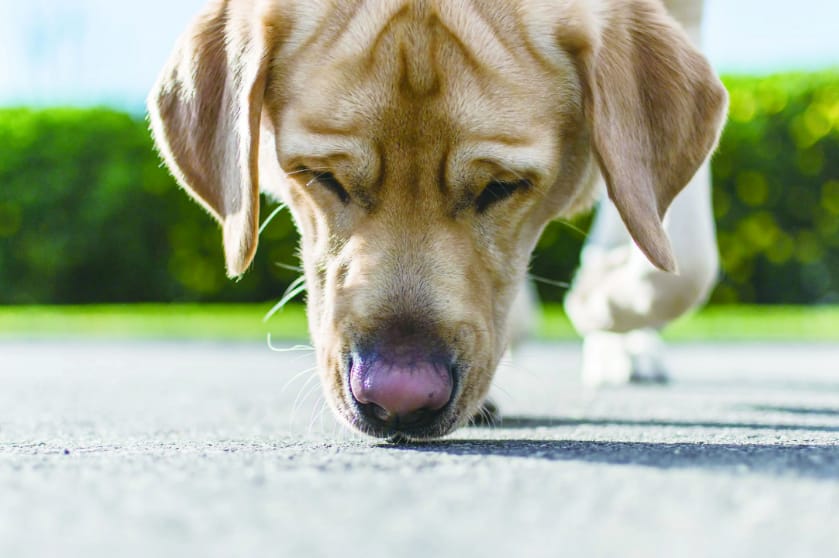 Pet TrainingWhy is sniffing games helpful for the daily state of elderly dogs?Scent games can serve as a gentle daily mental activity for senior dogs, but they should be combined with veterinary assessment, nutrition, routine, and safe supervision to support their quality of life.5 min read
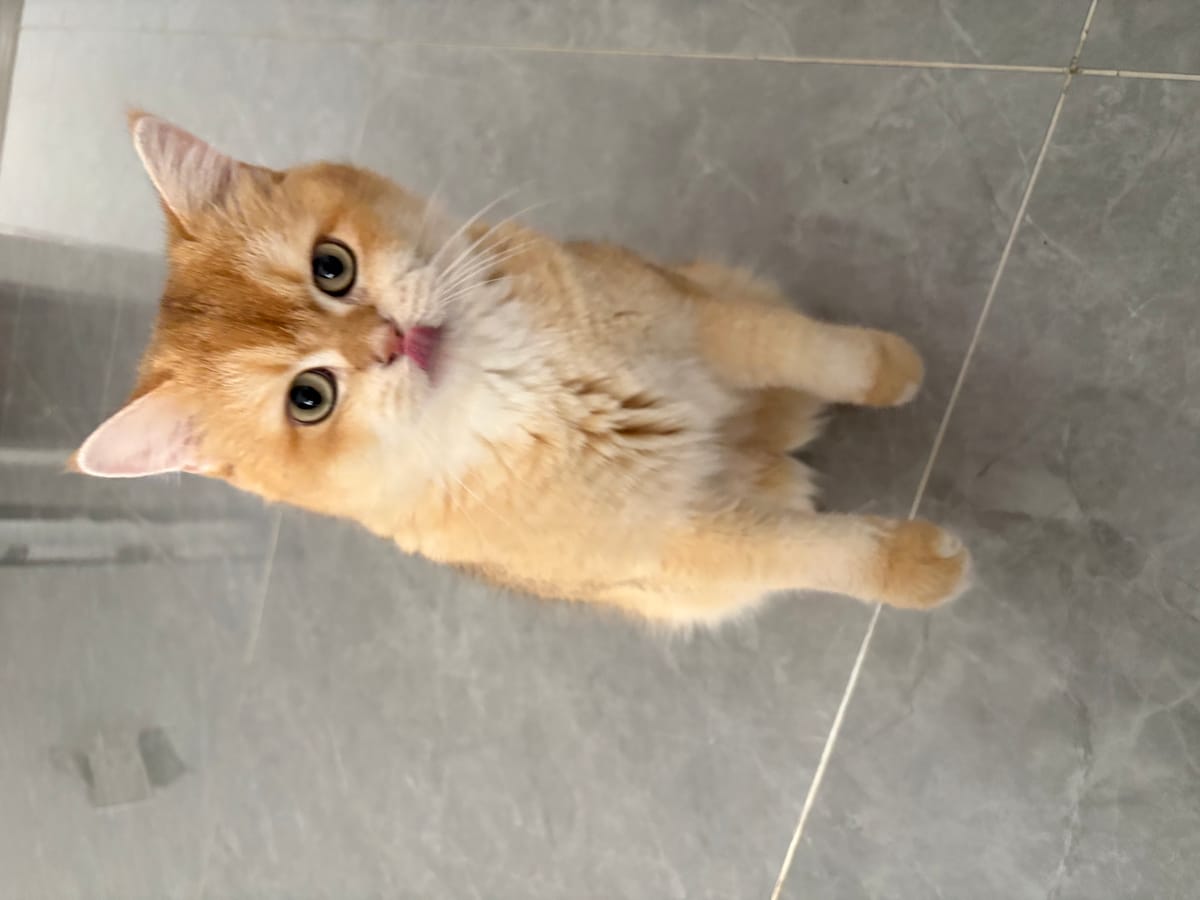 CatsHow to help shy cats gradually adapt to visitors' visitsHelping a shy cat adapt to visitors requires first establishing a safe zone, then using gradual desensitization and positive interaction alongside ongoing stress monitoring, emergency handling, and long-term environmental management.8 min read
 Pet CareChocolate, xylitol... these daily necessities may be 'poison' to dogsDogs may suffer poisoning or life-threatening consequences after ingesting chocolate, grapes, xylitol, alliums, alcohol, certain household chemicals, toxic plants, or medications, and symptoms such as vomiting, diarrhea, or seizures require immediate contact with a veterinarian and urgent veterinary care.7 min read
A selection of useful stories and guides worth reading this week.
 ★ Editor's Top Pick
Genetics play a 30% role, while 70% depends on care and lifestyle; through scientific feeding and attentive care, you can help it live as long as possible with fewer health issues.
5 min read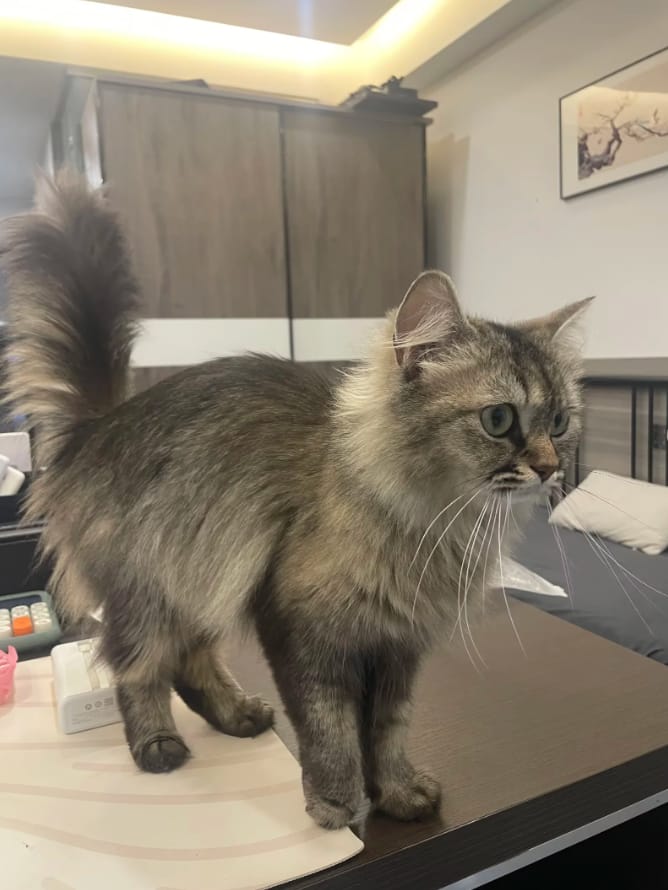 CatsA 7-14 day guide for cats to adapt to their new homeSep 21, 2026 · 5m
 Pet TrainingOutdoor recall training upgrade: 5 steps to prevent dogs from pretending to be deafSep 21, 2026 · 6m
 Pet NutritionCat Weight and Body Management Guide, Protecting the Long term Health of CatsSep 19, 2026 · 6m
 Pet AccessoriesIs a larger litter box better?Sep 22, 2026 · 5m
 CatsHow to Train a cat (For Beginners)Sep 15, 2026 · 2m
 Pet TrainingTraining your dog not to be afraid of the vet or groomerSep 14, 2026 · 2m
 Cats
CatsThe key to stopping a cat from scratching the sofa is not simply buying a scratching post, but observing the cat’s habits, placing the right post exactly where it already wants to scratch, and combining rewards with temporary sofa protection to guide it gradually.
Aug 8, 2026 · 13 min read Pet Nutrition
Keeping dry pet food in its original bag inside a clean, sealed container, away from heat and moisture, and buying manageable quantities helps preserve freshness and nutritional quality.
4 min read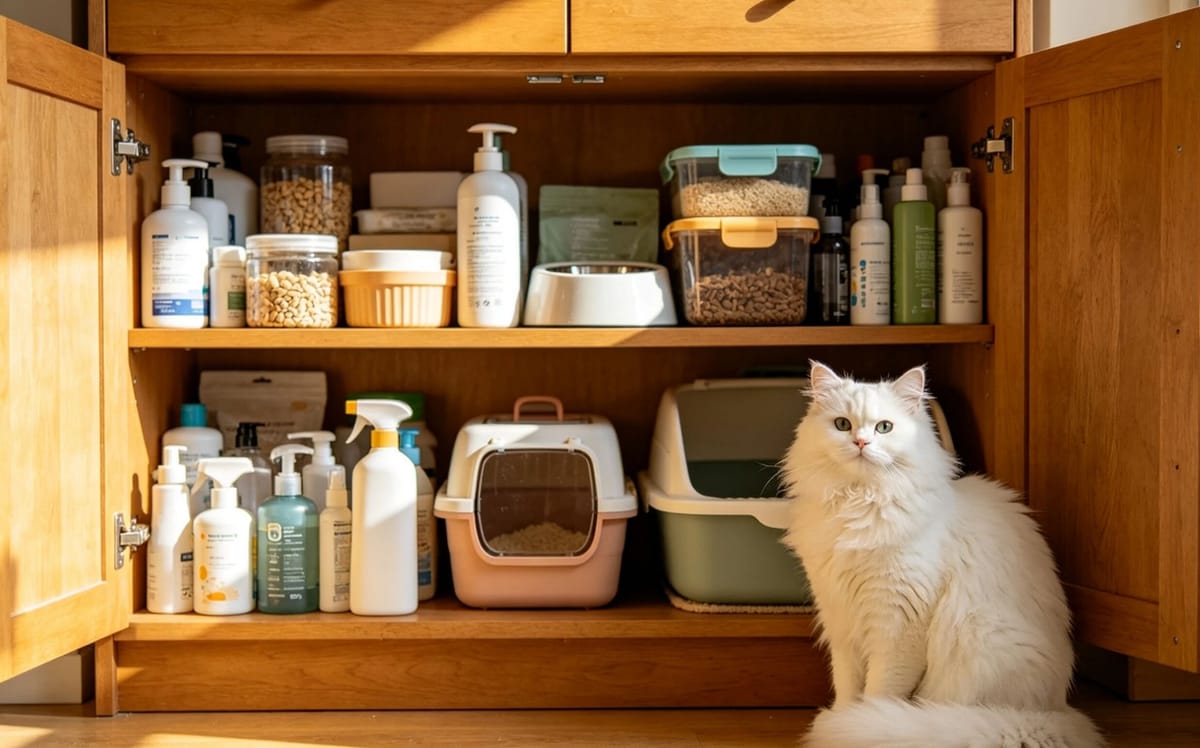 Pet Accessories
A Guide to Essential Gear for Pet Owners: Scientific Pet Care Starts with the Right Supplies
4 min read CatsWarning! If your cat is suddenly shedding more fur, it's not just a simple change of season; it could be a sign from its body.2m
 DogsDoes a dog break down and bark when it's alone at home?10m
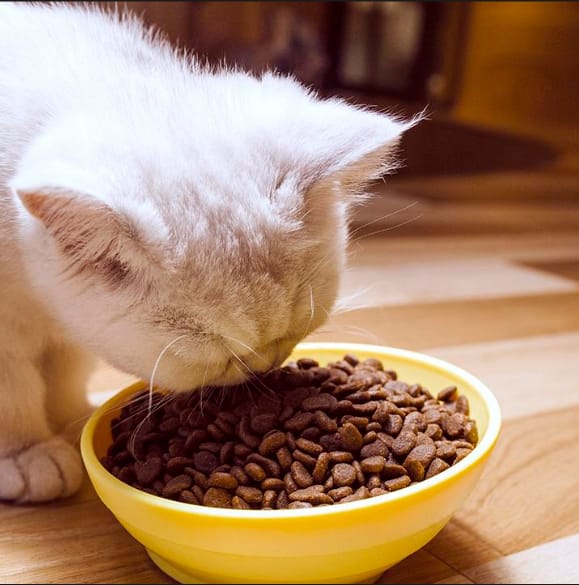 Pet NutritionSmart Feeding: Avoid Common Pitfalls | Standard Daily Feeding Amounts for Pets—Overfeeding or Underfeeding Can Lead to Illness4m
 DogsA walk that is more suitable for dogs should be arranged in this way12m
Bite-sized pet care stories you can finish on your coffee break.
Pet NutritionDivide the daily ration into three or four feedings, and pay close attention to the glucosamine and chondroitin content.
 Cats
CatsHelping your cat feel comfortable with grooming takes a suitable brush, gradual introductions, gentle strokes, short sessions, and rewards tailored to their individual comfort level.
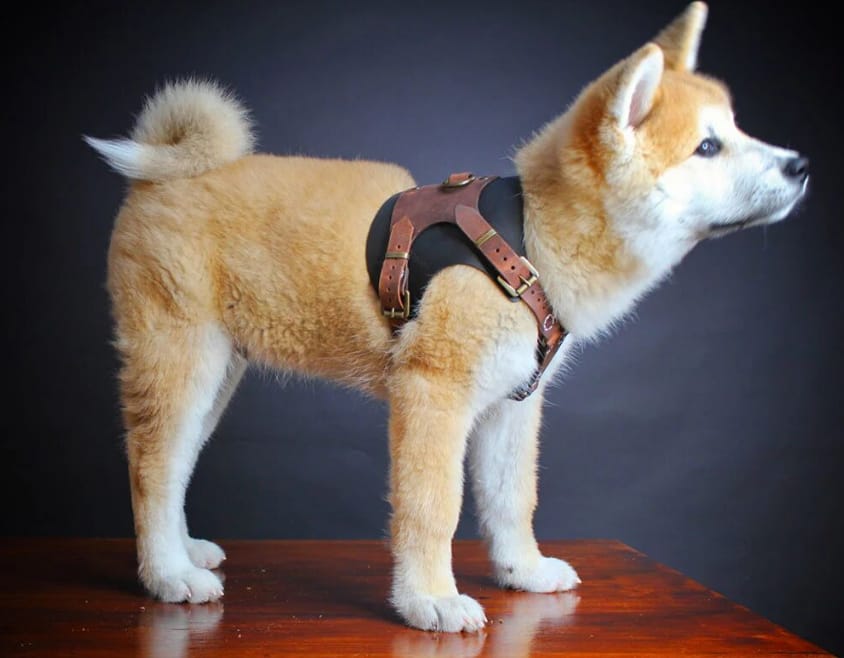 Pet Accessories
Measuring your dog’s height, back length, chest, and neck with a flexible tape while keeping them relaxed helps you choose comfortably fitting collars, harnesses, clothing, and crates.
 Pet Nutrition
A calm feeding space, consistent mealtimes, separate feeding for competing dogs, and a suitable slow feeder can help dogs eat more slowly, while serious food guarding calls for professional support.
 Cats
CatsWet food and appealing, accessible water sources can help cats stay hydrated and support urinary health, with feeding choices tailored to each cat’s needs and preferences.
 Pet Training
- **Name Recognition Training**